Navigating the Future: The Evolving Landscape of AI in Hong Kong
by Anthony Law 2024-09-18
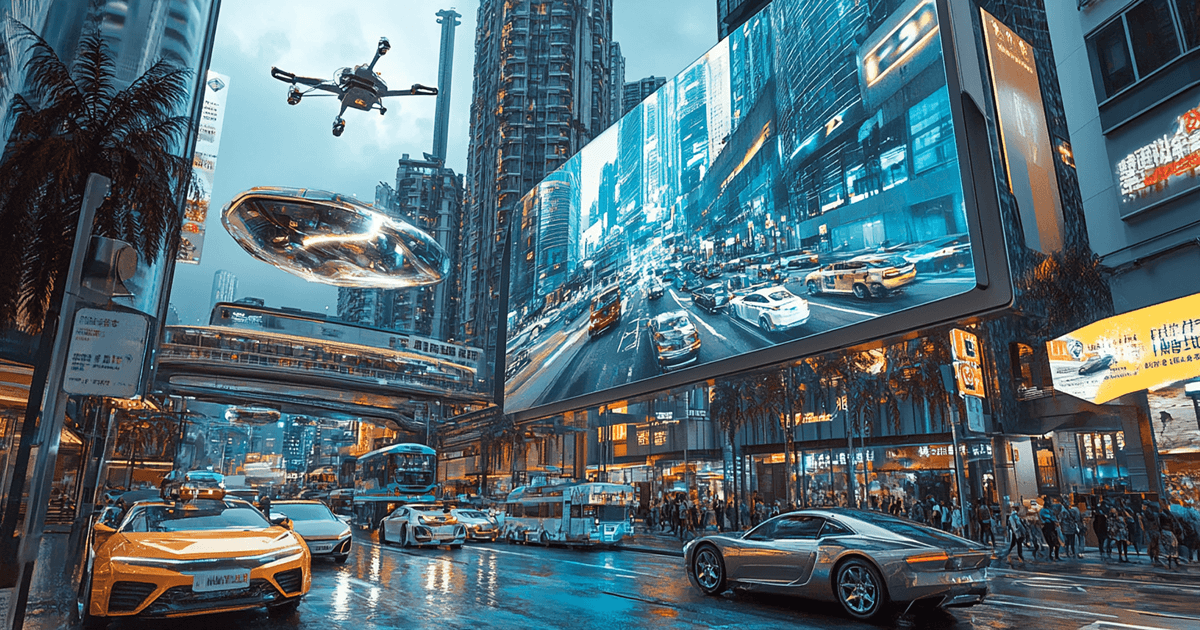
The application of artificial intelligence (AI) in Hong Kong is rapidly changing, reflecting a fascinating blend of Eastern and Western influences. As AI technology becomes a bigger part of our daily lives, the local scene presents both exciting opportunities and unique challenges shaped by politics, culture, and academic efforts.
Geopolitical Challenges
One of the biggest hurdles for Hong Kong in accessing advanced AI technologies is the restrictions imposed by the United States on Mainland China and Hong Kong. These limitations affect the availability of high-end AI tools, such as those developed by OpenAI. However, non-technical users can still find value in accessible platforms like POE.com for chatbots and various generative AI graphics tools that significantly improve work efficiency. Additionally, several large language models (LLMs) developed in Mainland China are available for free, offering viable alternatives for local users.
Local Development and Its Hurdles
The development of AI applications in Hong Kong faces some unique challenges, particularly due to language. With Cantonese and traditional Chinese characters being widely used, many AI models from Mainland China may not perform as effectively in Hong Kong. Some industry insiders believe that local development teams often rely on external APIs like OpenAI's, which have recently faced access issues. This reliance raises questions about the depth of local innovation in AI.However, this perspective might overlook the significant progress being made within Hong Kong. It's important to remember that developing applied technology takes time; industries need to create practical use cases that effectively leverage new technologies. For example, social networks emerged years after the internet was invented.
Academic and Commercial Efforts
Hong Kong has a strong academic foundation supporting AI research and development. Notable institutions like SenseTime and the Centre for Perceptual and Interactive Intelligence (CPII) are leading the charge in this field. The Hong Kong Generative AI Research and Development Center is also making strides to enhance local capabilities. The government’s commitment to fostering innovation is clear through initiatives outlined in the 2024-25 Budget, which highlights AI as a key driver for technological growth.
Additionally, there are exciting efforts to merge technology with the arts, reflecting a broader ambition to elevate Hong Kong's cultural identity. Programs that connect technology and creativity aim to equip a new generation with both technical skills and artistic sensibilities. For instance, the Hong Kong University of Science and Technology has launched a Division of Arts and Machine Creativity to encourage interdisciplinary collaboration. 1
Looking Ahead
Despite current limitations, there is a sense of optimism about the future of AI in Hong Kong. The government predicts that by the end of this year, half of all companies will incorporate AI into their operations. This trend aligns with global patterns where investment in AI startups continues to grow, showing an increasing recognition of its potential across various sectors.
The academic community remains engaged with international research, ensuring that Hong Kong stays connected to global advancements in AI despite local restrictions on certain technologies. Ongoing publication of research papers and collaborative projects with universities abroad further strengthen this connection.
Conclusion
Hong Kong is at an exciting crossroads where East meets West, navigating the complexities of global technological advancements while nurturing its unique cultural identity. Although geopolitical constraints present challenges, they also inspire innovation within local contexts. With concerted efforts from both academia and industry, Hong Kong is well-positioned to carve out its own niche in the global AI landscape—creating an environment where technology enhances creativity and cultural exchange.
As we look forward, embracing both local innovation and international collaboration will be crucial for unlocking the full potential of AI in this vibrant city. The journey ahead promises not only technological advancement but also a richer cultural tapestry woven through innovative applications of artificial intelligence.
Refereces:
- Hong Kong Productivity Council, & Hong Kong Institute of Economics and Business Strategy. (2024). Hong Kong AI industry development study.
- Government of the Hong Kong Special Administrative Region. (2024, May 28). Hong Kong’s AI industry development: A promising future.
- Intellectual Property Department, HKSAR Government. (2024). Copyright and AI consultation paper.
- China Daily Hong Kong. (2024). AI development in Hong Kong: Opportunities and challenges.
- Hong Kong University of Science and Technology. (2024). HKUST launches Hong Kong’s first Division of Arts and Machine Creativity.
Prev Post: AI at Work: How Gen AI Is Changing the Game for Professionals and Corporations
Next Post: AI in Education: Insights from Campus Tech and Future Directions
About Us
CODE IS PLAY is a team of experienced software developers. We build high quality code that persists.
Links
Other Services
TVP Funding
Digital Transformation
Technical Training
Contact Us
Address: Room A, 19/F, Max Share Centre, 367-373 King's Road, North Point, Hong Kong
Tel: (852) 92622251
Email: info@codeisplay.ai
Copyright © 2024 All rights Reserved by CODE IS PLAY. Privacy Policy