The Transformative Role of AI in Education: Opportunities and Challenges
by Anthony Law 2024-10-27
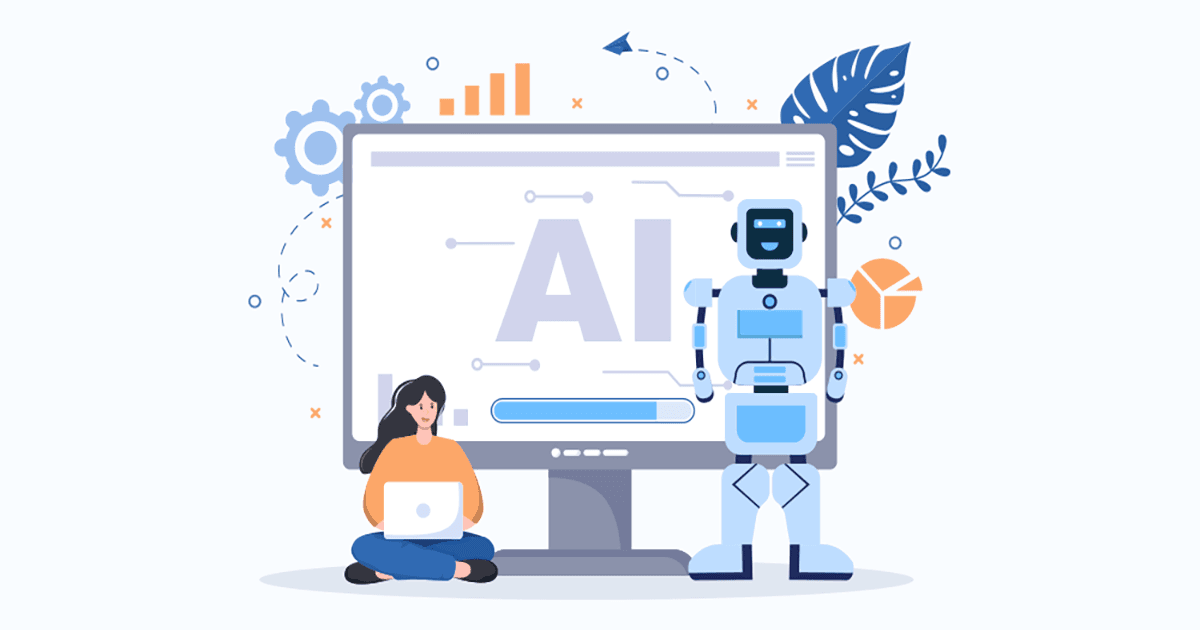
Artificial Intelligence (AI) is revolutionizing the educational landscape, presenting exciting opportunities for enhancing learning experiences, streamlining administrative tasks, and fostering personalized educational pathways. As we explore the current state and future prospects of AI in education, particularly in mainland China and Hong Kong, several key insights emerge.
Education as an Ideal Field for AI Application
Education is inherently data-rich, generating vast amounts of information through student interactions, assessments, and feedback. AI can analyze this data to personalize learning experiences, adapting content to meet individual student needs. For instance, platforms can track a student's progress and adjust the difficulty of tasks accordingly, facilitating a tailored educational journey. This adaptability not only enhances engagement but also improves learning outcomes by addressing each student’s unique strengths and weaknesses.Furthermore, AI can automate mundane tasks such as grading and administrative paperwork, allowing educators to focus more on teaching and less on bureaucracy. This efficiency is crucial in today’s fast-paced educational environment, where maximizing instructional time is essential for student success.
Growing Market for Tablet Devices in Mainland China
The market for tablet devices among students in mainland China is expanding rapidly. With increasing government support for digital education initiatives and a growing emphasis on technology in classrooms, the demand for tablets is set to rise significantly. Reports indicate that the adoption of tablets not only enhances learning but also prepares students for a tech-driven future. As more schools integrate these devices into their curricula, we can expect innovations such as interactive educational apps and AI-driven learning tools to flourish.This shift towards digital learning environments aligns with broader trends in educational technology globally, suggesting that the Chinese market will continue to attract investment and innovation in the coming years.
Research on AI Applications in Education in Hong Kong
In Hong Kong, research into AI applications in education is gaining momentum. Recent initiatives by the Education Bureau aim to integrate AI concepts into the curriculum for junior secondary students. These programs focus on teaching basic AI principles alongside coding skills, thereby fostering a generation equipped with essential technological competencies.Moreover, local universities are exploring how AI can enhance learning effectiveness and reduce the burden of content creation for educators. By leveraging AI tools to generate educational materials and assessments, teachers can devote more time to direct student engagement and mentorship.
Challenges of Cantonese Language Adaptation
Despite these advancements, there are challenges specific to Hong Kong's Cantonese-speaking environment that hinder the seamless integration of AI in classrooms. For instance, while text-to-speech (TTS) technologies have made significant strides in languages like English and Mandarin (Putonghua), they often fall short when it comes to Cantonese. The nuances of tone and emotion in Cantonese speech present unique challenges for AI developers.Local researchers are aware of this gap and are working towards creating solutions that cater specifically to Cantonese speakers. This effort requires additional resources and collaboration within the academic community to ensure that AI tools can effectively support Cantonese-speaking students.
The Future of Evaluation: Beyond Academics
As the integration of AI in education gains traction, a significant conversation is emerging around assessment methods, particularly the reliance on public examinations as the primary means of evaluating student performance. While many educational stakeholders focus on enhancing academic effectiveness through AI-driven tools, there are growing concerns about whether traditional exams remain the most accepted and effective way to assess a candidate's capabilities.Public examinations have long been the cornerstone of educational assessment in many regions, including Hong Kong. However, these standardized tests often prioritize rote memorization and academic knowledge over essential non-academic qualities such as leadership, teamwork, communication skills, integrity, and critical thinking. These attributes are increasingly recognized as vital for success in the modern workforce and society at large.The challenge lies in quantifying these non-academic qualities. Unlike academic performance, which can be measured through grades and test scores, soft skills require more nuanced evaluation methods. As AI continues to evolve, it can potentially assist in developing new assessment frameworks that incorporate these essential qualities into the evaluation process. For example, AI could analyze group projects or collaborative tasks to provide insights into a student's teamwork and leadership abilities.
The Role of AI in Holistic Assessment
While developers are primarily focused on academic effectiveness, there is an opportunity for innovation in creating assessment tools that capture a broader spectrum of student capabilities. AI can facilitate this by:
- Analyzing Behavioral Data: AI systems can track student interactions in group settings or during presentations to assess communication skills and teamwork dynamics.
- Providing Feedback on Non-Academic Skills: AI-driven platforms can offer personalized feedback on critical thinking and problem-solving abilities based on students' responses to complex scenarios or case studies.
- Integrating Peer Reviews: Incorporating peer evaluations into the assessment process allows for a more comprehensive view of a student's interpersonal skills and integrity.
Conclusion
The potential of AI in education is vast, offering personalized learning experiences that cater to individual student needs while also streamlining administrative processes. As the market for educational technology continues to grow in mainland China and research efforts intensify in Hong Kong, it is clear that innovation will play a critical role in shaping the future of education.However, addressing linguistic barriers will be essential to fully harnessing the benefits of AI across diverse educational contexts. Moreover, expanding our focus beyond traditional academic performance will ensure that we cultivate well-rounded individuals equipped with the skills necessary to thrive in an ever-changing world. By leveraging AI technologies to create more comprehensive assessment frameworks that include both academic and non-academic qualities, educators can better prepare students for the complexities of modern life and work.
Prev Post: Beyond FOMO: Proactive Investment Strategies in a Transforming Hong Kong Market
Next Post: AI in Education: Insights from Campus Tech and Future Directions
About Us
CODE IS PLAY is a team of experienced software developers. We build high quality code that persists.
Links
Other Services
TVP Funding
Digital Transformation
Technical Training
Contact Us
Address: Room A, 19/F, Max Share Centre, 367-373 King's Road, North Point, Hong Kong
Tel: (852) 92622251
Email: info@codeisplay.ai
Copyright © 2024 All rights Reserved by CODE IS PLAY. Privacy Policy